
Banned user returns with a profile video
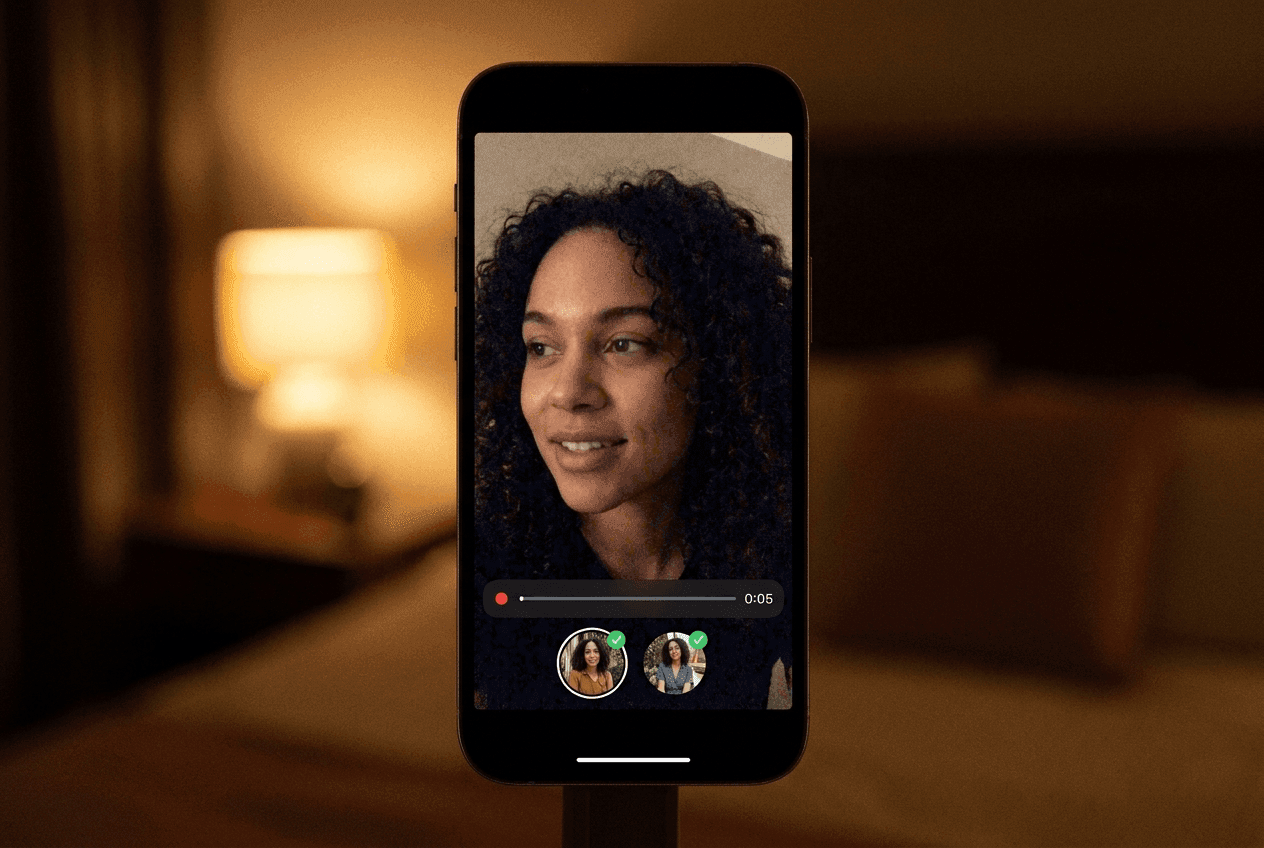
Different email, different username. Face recognition identifies the match from the video frames.

Match · banned user · 96%
Match faces in video content against known identities. Lasso extracts frames, encodes faces, and compares them to your database of banned or verified users.
Different email, different username. Face recognition identifies the match from the video frames.
Frame-level hash matching detects the duplicate even after re-encoding, cropping, or trimming. Blocked automatically.
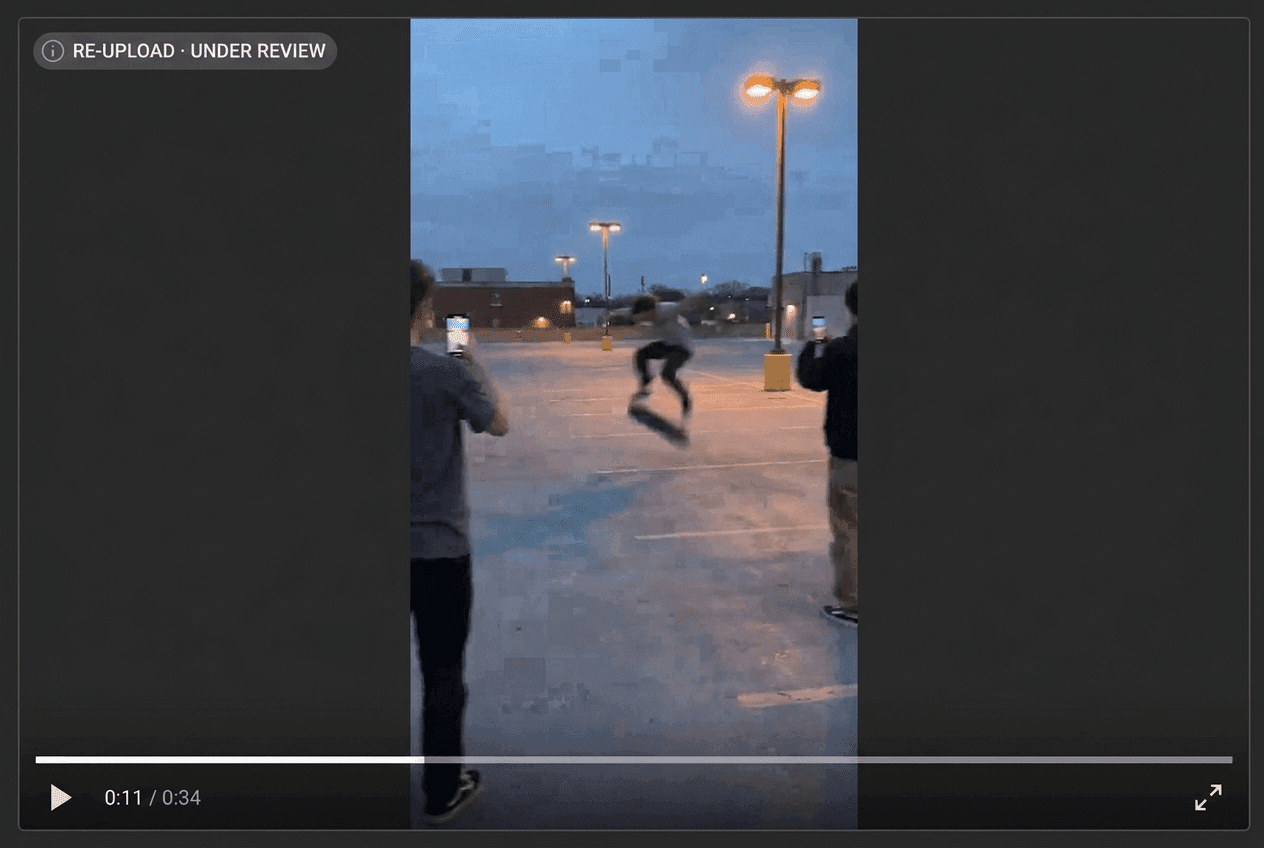
Frames matched against profile photos. Identity confirmed across multiple angles in a single recording.
Unverified individuals flagged before the video goes live. Compliance with content source verification requirements.

Faces detected in each frame. Face encoding generated per face for identity matching. Image hash generated per frame for duplicate detection.
See Lasso in action
Frame hashes compared against your disallow list. Match thresholds and actions configured per platform: auto-reject, flag for review, or escalate.
See Lasso in actionLow-confidence match on one frame may become high-confidence when the same face appears from multiple angles throughout the video. AI Moderator evaluates the full recording.
See Lasso in action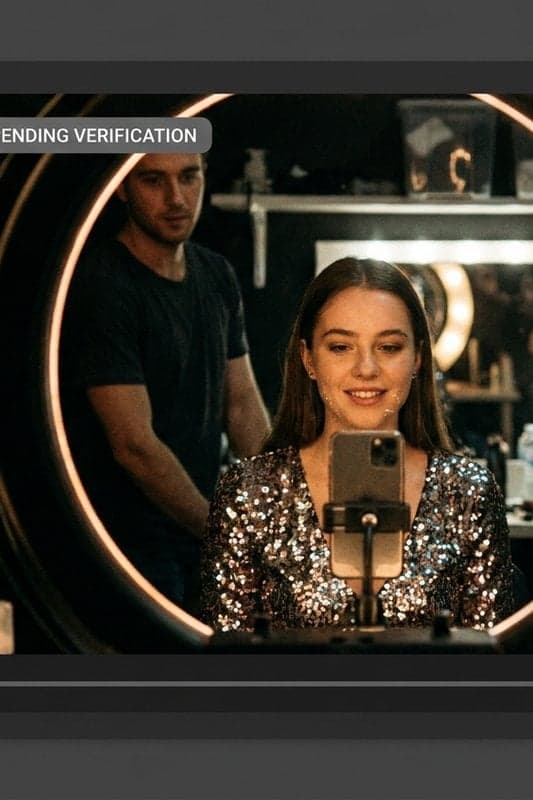
Matched frames shown alongside database photos. Confidence scores per frame. Account metadata. Every human decision improves future matching accuracy.
See Lasso in actionMatch faces from video frames against a database of known identities. Lasso extracts the frames, encodes each face, and compares it to your banned or verified user database, holding up across different angles, lighting, and appearances.
Re-offender detection extended to video. Banned user returns with a profile video instead of a photo. Face recognition identifies the match from video frames. Account flagged before any content goes live.
Video performer verification for adult platforms. Every face in every frame compared to approved identities. Content with unverified performers blocked or flagged. Compliance audit trail included.
A single image shows one angle, while video gives the AI Moderator dozens. It uses every frame to build a more confident identity match and resolves edge cases with account context.
Frame-level hash matching for video. Previously removed content re-uploaded under a new account. Hash matching on extracted frames identifies the near-duplicate. Two layers of re-offender detection: faces and content.
Three layers of AI handle the volume, your rules, and the grey areas. Your team only sees what truly needs them, and every decision they make improves the system.
Customizable moderation that lets you find the right balance between safety and user experience. So you protect your community without suppressing the culture that makes it worth joining.
One API. Clear dashboards. A moderation pipeline built around one-click actions and the right context, right where you need it.



Every match comes with a confidence score per frame, so you set the threshold that triggers an action. Because a single recording supplies dozens of frames from different angles, the system aggregates them into a more confident identity match than any one photo could give. Anything below your threshold routes to human review with the frames and database photo attached.
Usernames and IPs are easy to change: a banned user simply registers a new account. A face is far harder to swap. Lasso matches the face in the video frames against your banned-user database, so returning offenders are caught even when the email, username, and device are all new.
Yes. Lasso generates an image hash per frame and compares it against previously removed content, so a near-duplicate is flagged even after re-encoding, cropping, or trimming. This works alongside face recognition, giving you two layers of re-offender detection: the faces and the content itself.
Lasso compares face encodings rather than storing raw video, and every match and review decision is written to an audit log. That trail supports DSA reporting and performer-verification requirements, and the platform is GDPR-compliant. You control which databases faces are matched against and how long records are kept.
Video face recognition identifies people in video content by matching their faces against a known database. Frames are extracted from the video, faces detected and encoded per frame, then compared to your database of banned, verified, or flagged users.
Face detection counts faces and reads attributes like age and gender per frame. Face recognition asks who the person is, matching each face against your database. The two run on the same pipeline, applied frame by frame.
Yes. It holds up across a different angle, lighting, or hairstyle because multiple frames capture the same face from several perspectives, which raises match confidence.
Your rules determine the response: auto-reject, flag for review, or log, with different actions at different confidence levels. Moderators reviewing a flagged match see the extracted video frames alongside the database photo, confidence scores per frame, and account history.
Performer verification on uploaded video for DSA compliance. Every face in every frame compared to approved identities. Unverified performers flagged. Audit trail tracks every match and review decision.
Lasso matches faces in video against your banned and verified user databases, catching returning offenders that a username check misses. One pipeline, one API.