 Lasso Moderation
Banned user returns with a new account
Different photo, same face.
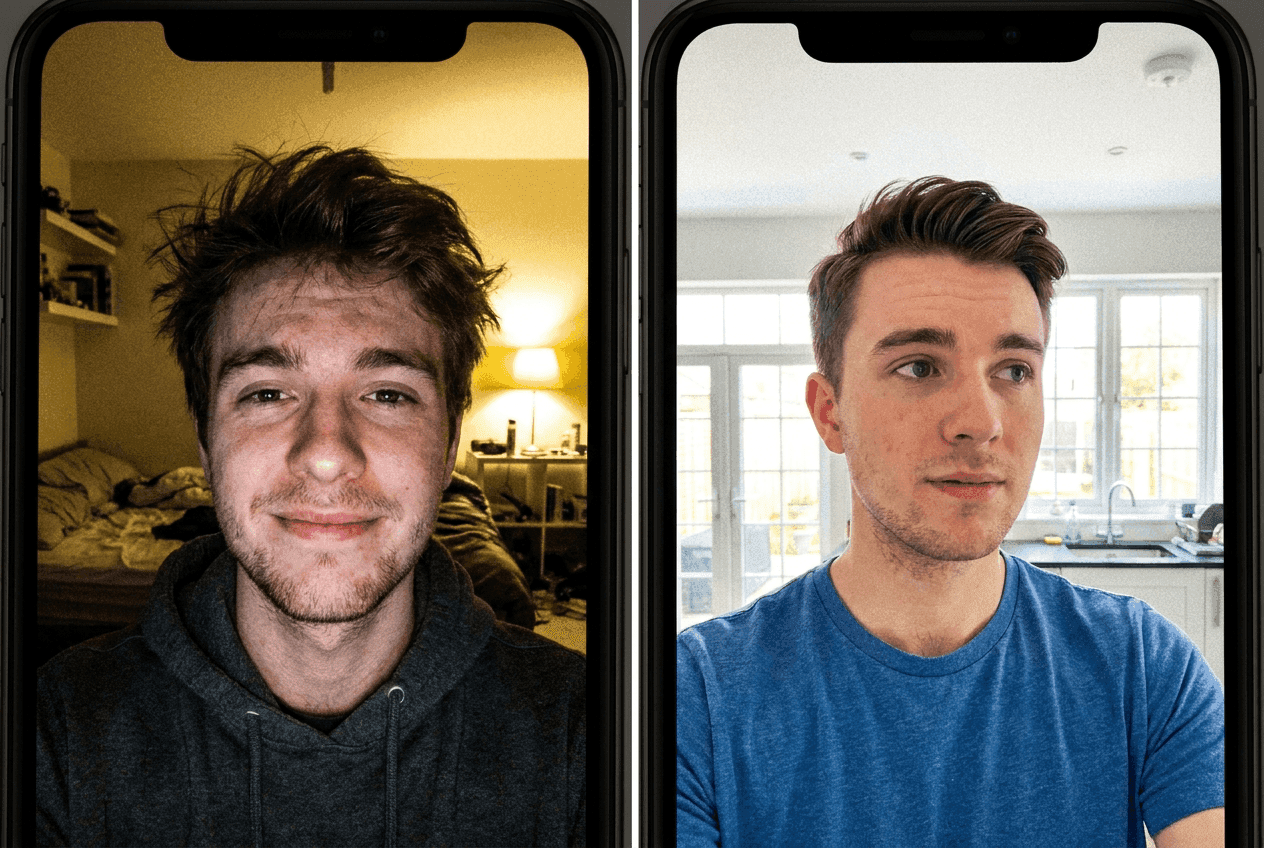
Banned account
Face match: 94%
Compare faces in new uploads against known identities. Face recognition catches banned users who return with new accounts, even when they use different photos.
Different photo, same face.
Recognised even among multiple faces.

Uploaded content matched to verified performer database.
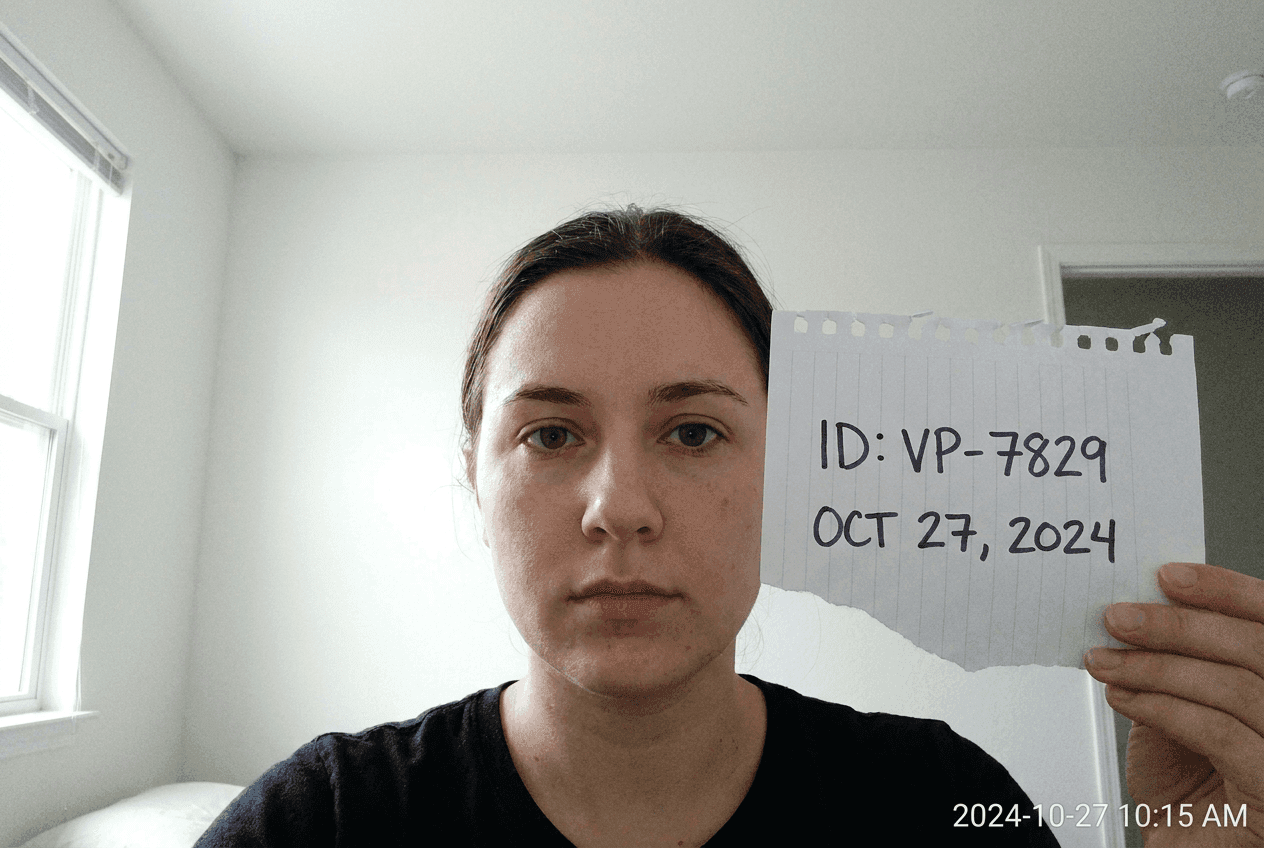
Same image re-appears under a new username.

When an image is uploaded, the ML layer detects each face and generates a face encoding. It also produces a perceptual hash of the whole image. Both are ready for comparison in real time.
See Lasso in action
Set granular confidence thresholds to automatically route to auto-rejected, auto-accepted, or flag for further review.
See Lasso in actionLow-confidence matches, partial faces, and significant appearance changes go to the AI Moderator, which applies your policy the way a human reviewer would and escalates only the genuinely unclear cases.
See Lasso in action
Reviewers see the confidence scores, the original image, the AI reasoning, and a suggested action. Every decision they make trains the system.
See Lasso in actionIdentity matching through facial features. When a new image is uploaded, face encoding is compared against your known face database. Works across varied photos of the same person.
Image features such as patterns, colors, and textures are used to detect similarities, even if the image has been altered (e.g., resized, cropped, or slightly edited).
AI Moderator reviews borderline face matches within the full context of the uploaded image.
Three layers of AI handle the volume, enforce your rules, and surface only the grey areas. Your team sees what needs them, and every decision they make improves the system.
Customizable moderation that lets you find the right balance between safety and user experience. So you protect your community without suppressing the culture that makes it worth joining.
One API. Clear dashboards. A moderation pipeline built around one-click actions and the right context, right where you need it.



It is a way to identify whether a face in a new upload belongs to someone already on your platform, such as a banned user or a verified performer. Lasso encodes the facial features in each image and compares them against a database you control. The most common uses are catching banned users who return with new accounts and confirming that an upload matches a verified identity.
Every upload passes through four layers. ML classification detects faces and generates a face encoding plus a perceptual hash, your custom rules set the confidence thresholds that auto-accept, auto-reject, or flag a match, the AI Moderator handles borderline cases like partial faces or major appearance changes, and human review takes the few edge cases that remain. This automates around 99.9% of decisions and sends the rest to your team with full context.
Each comparison returns a confidence score rather than a yes-or-no answer, so you decide what counts as a match. You can set a high threshold to auto-block only strong matches, route mid-confidence results to review, and ignore weak ones. This lets you tune precision to your platform's tolerance for false positives.
Face detection finds that a face is present in an image and reads attributes such as how many faces appear. Face recognition goes a step further and asks who the person is by matching their facial features against your database. Lasso uses detection to locate faces and recognition to link them to known banned or verified identities.
Lasso is GDPR-compliant and supports DSA reporting and audit logs. Face recognition compares facial features against a database you control, and you decide which identities are stored and for how long. For the specifics of how encodings are stored and retained, your team should confirm the configuration that fits your compliance obligations.
Banned users often return with new emails and usernames but the same face. Face recognition encodes faces from profile photos and compares new uploads against your banned user database. Lasso flags the match automatically.
Face matching answers 'is this the same person?' across different photos. Hash matching answers 'is this the same image?' across copies and edits. Lasso uses both: face matching prevents ban evasion, hash matching prevents re-upload of removed content.
Face recognition matches people across different photos of them. A different angle, lighting, or hairstyle still matches, because the system compares facial features rather than raw pixels. Every match comes back with a confidence score.
Your rules determine the response. Auto-reject, flag for review, or escalate. Set different actions for different confidence levels. High confidence: block immediately. Lower confidence: route to your team with full context.
Any platform where users create accounts and upload photos. Dating: identity verification and catfish prevention. Gaming: ban evasion detection. Adult entertainment: performer verification. Marketplaces: seller identity enforcement.
Lasso's face recognition catches banned users, verifies identities, and prevents re-uploads. One pipeline, one API.
Book a demo